From Alaska to the world

Preserving Alaska, Inspiring Tomorrow

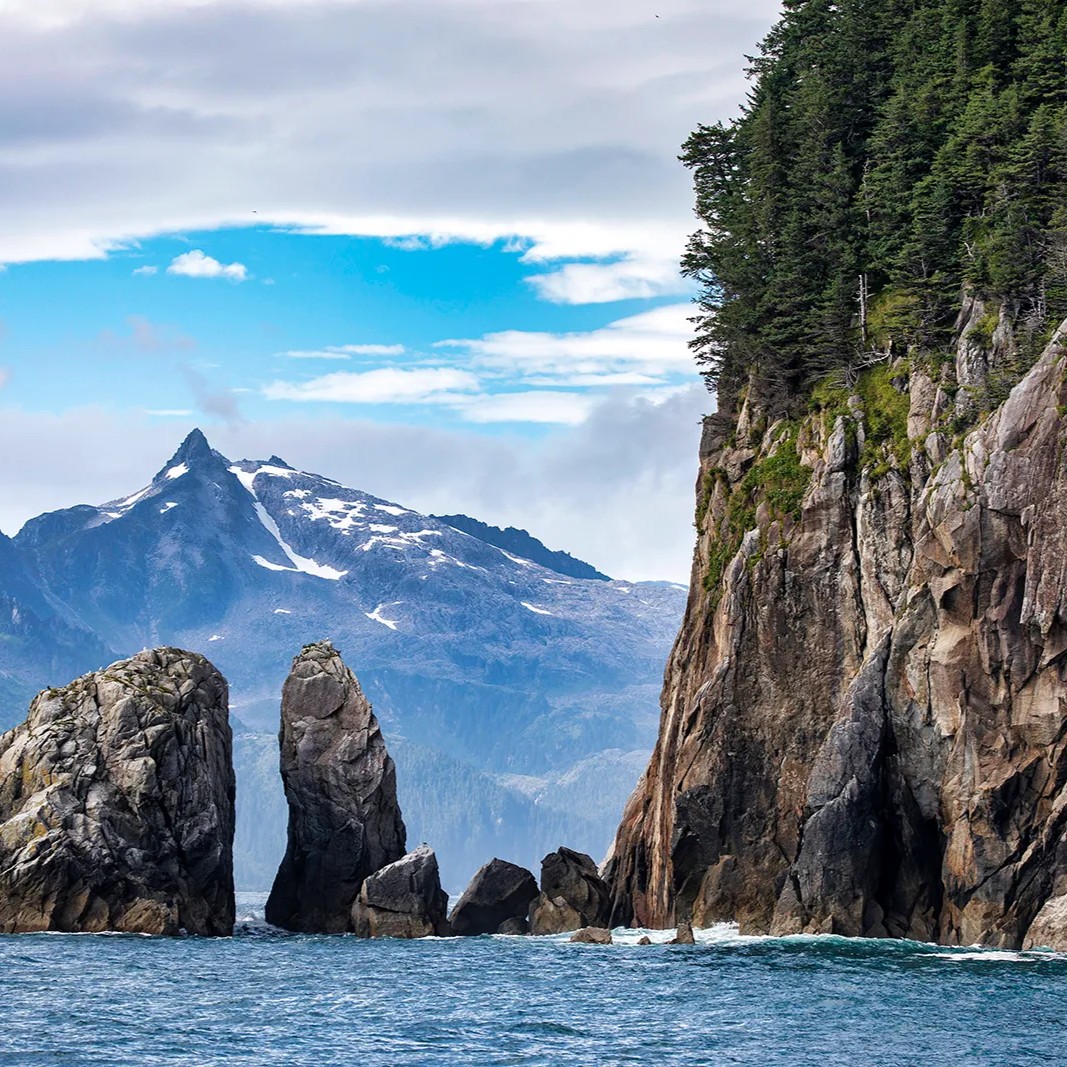
The Alyeska Foundation is an independent organization dedicated to celebrating Alaska's rich history and landscapes, providing opportunities to discover and preserve this unique northern region of the world.

Mission & values

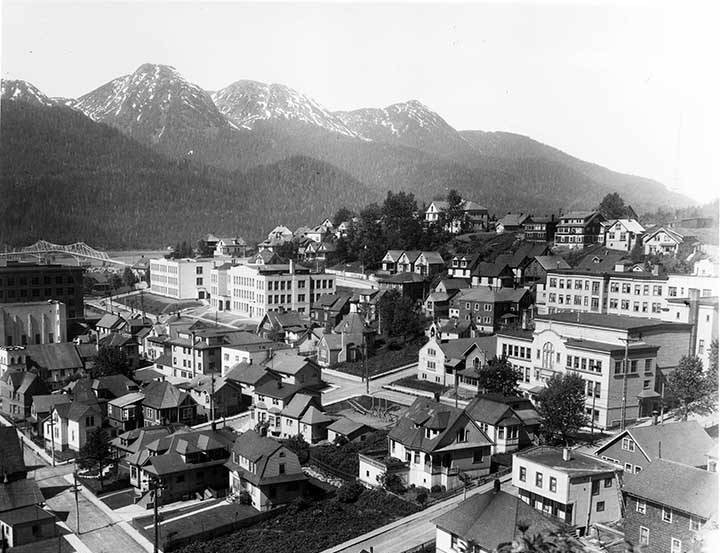
Juneau, Alaska

Focus Areas

Our work brings together culture, science, and education. Every project begins with the same idea, that Alaska’s knowledge, in all its forms, should remain alive, respected, and within reach.

  • Languages and Oral Traditions : recording voices, teaching words, and supporting those who keep Alaska’s languages in daily use.
  • Archives and Records : protecting photographs, field notes, maps, and data collected across generations, and building digital homes where they can be safely studied and shared.
  • Cultural Mapping : tracing names, routes, and stories that connect communities to their lands and waters.
  • Ecosystem Monitoring : observing change in glaciers, forests, and coastlines with the help of both instruments and local knowledge.
  • Community Science : working with schools, field teams, and cultural centers to document what is seen and learned across Alaska’s regions.
  • Open Environmental Data : creating reliable tools that allow researchers and communities to study the North together and build on shared information.
  • Education and Public Scholarship : linking classrooms, archives, and research through programs that invite people to learn from the land itself.
  • Museum and Field Learning : bringing history, science, and culture into the same space, where study becomes experience and understanding grows from place.
Founder

Leadership
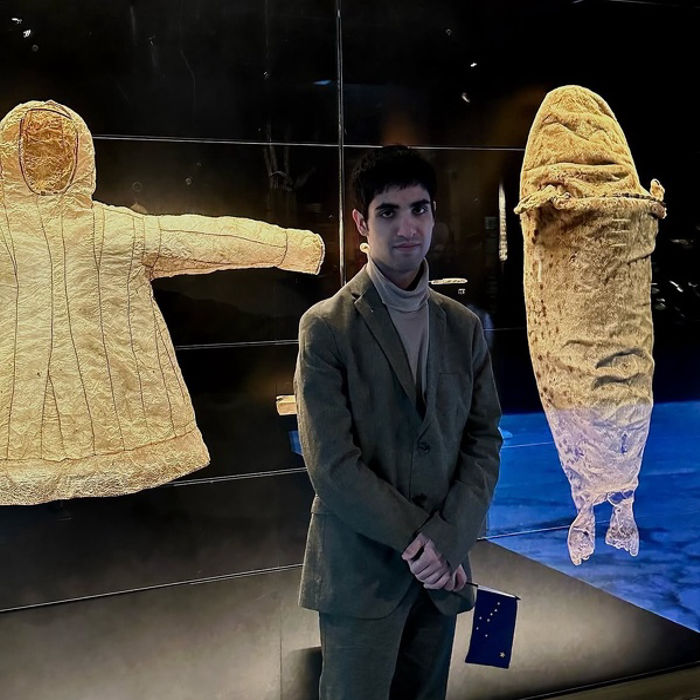
Portrait of the founder (placeholder)

Kouros Bartel - Founder & Co-Chair

A long term effort to protect, celebrate, and share the North’s story with clarity, rigor, and respect.

“The future of Alaska heritage and cultural preservation relies on steady work today, documenting, teaching, and building tools that last.”

Programs

Arctic Archives

Arctic Archives Platform

IIIF-compatible oral history & map viewer, OCR for cursive ledgers, NLP for Indigenous toponyms.

Permafrost Sensing

Permafrost Sensing Array

Thermistor chains + LoRaWAN gateways, open telemetry endpoints, glacier mass-balance dashboards.

Educator Fellowships

Educator Fellowships

Curriculum kits on languages, climate, and museum object-based learning.

eDNA Metabarcoding

eDNA Metabarcoding

COI/12S markers, field filtration, interactive biodiversity maps with versioned metadata.

Language Revitalization

Language Revitalization

Community studios, corpora building, experimental ASR/TTS for Alaska Native languages.

Arctic SAR Interferometry

Arctic SAR Interferometry

Sentinel-1 deformation over icefields, WMTS tiles for education and field briefs.

Selected Projects : Preservation and Transmission of Alaska's Heritage

The following projects represent key efforts in preserving, transmitting, and enhancing Alaska’s rich history, environment, and culture. These initiatives utilize advanced technologies to safeguard cultural heritage while embracing modern solutions for effective knowledge sharing and research.

Project Lead / Unit Focus Year Description
Arctic Archives Platform Alaska History Foundation Heritage 2024 This project focuses on digitizing and preserving historical records and archival materials related to Alaska's heritage, ensuring that valuable data, photos, oral histories, and documents are accessible to the public through modern digital archives and search systems.
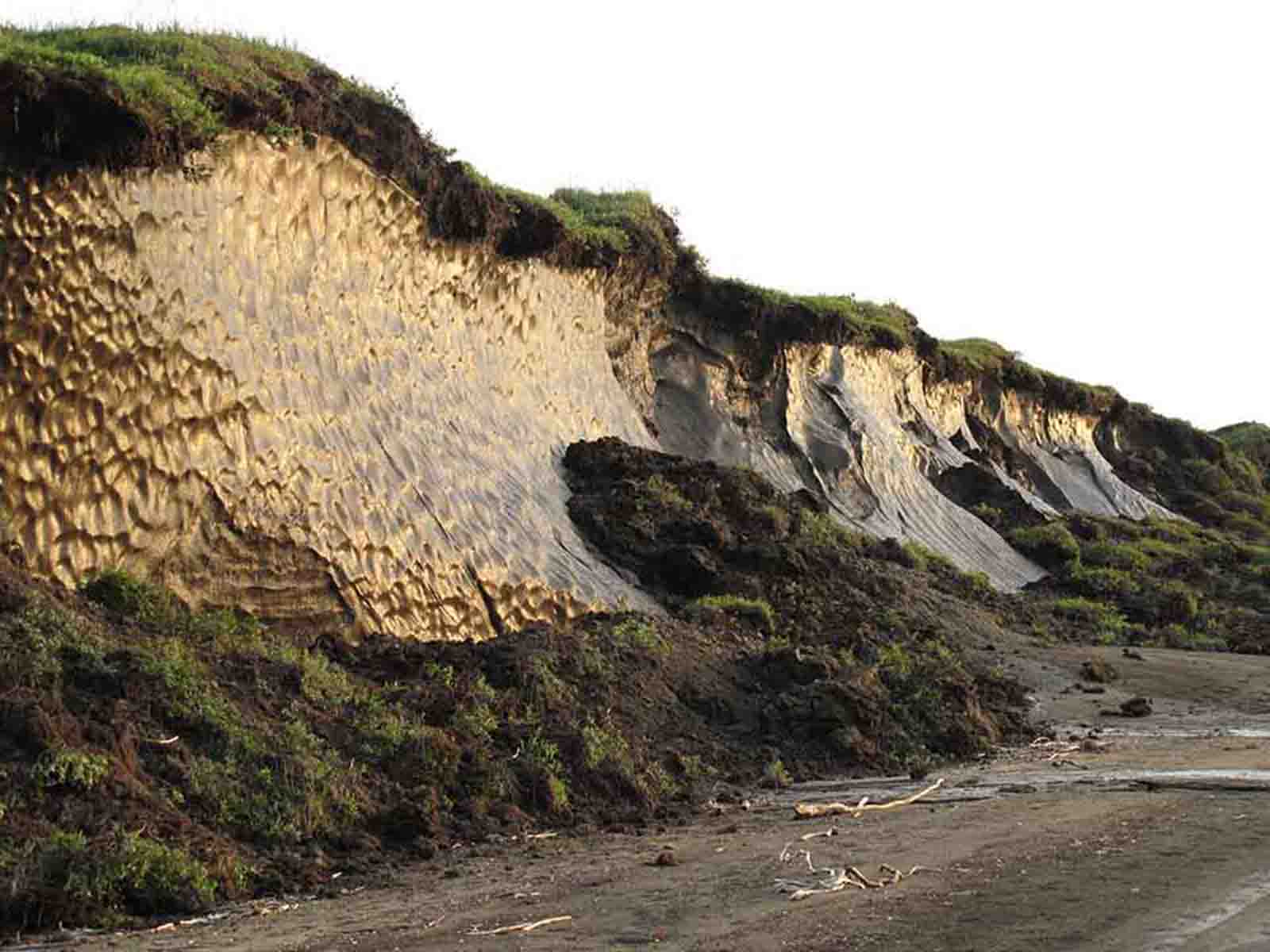
Permafrost Monitoring System Environmental Sciences Team Environment 2025 Monitoring permafrost stability in Alaska using sensors and remote satellite data, allowing researchers to better understand the impact of climate change on Alaska’s unique ecosystems. This project aims to provide crucial data for sustainable environmental policies and solutions.
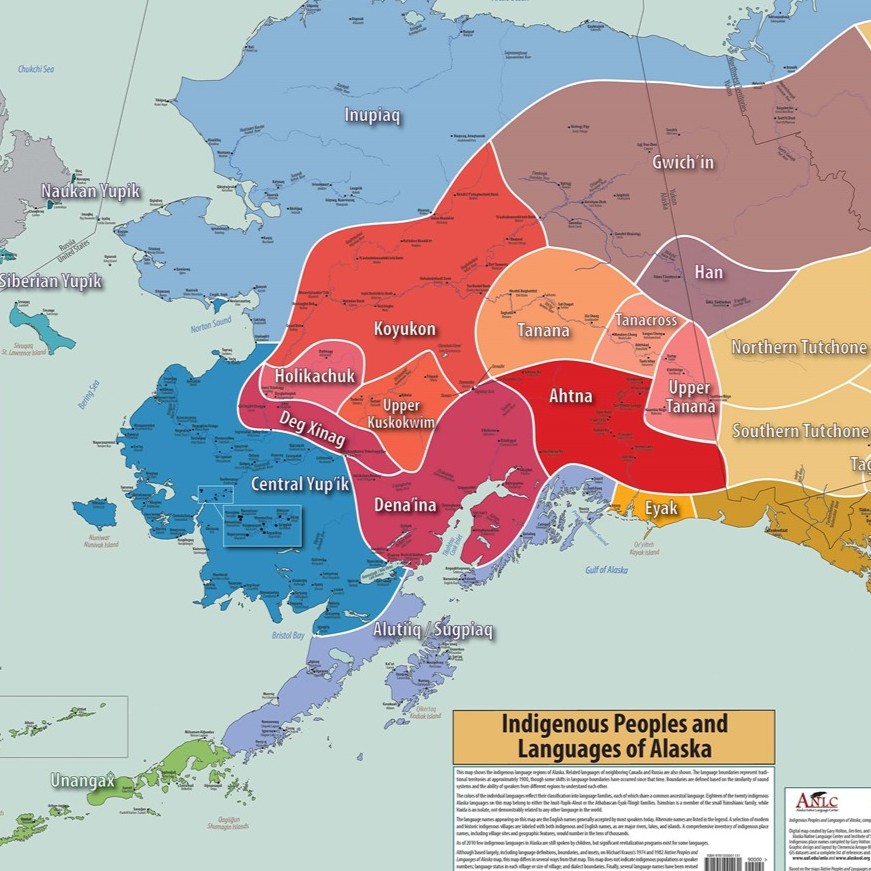
Indigenous Language Revitalization Alaska Native Language Program Culture 2023 This project is focused on preserving and revitalizing the Indigenous languages of Alaska, ensuring that these languages are not lost through modern technology and community initiatives aimed at education, linguistic support, and documentation.
Cultural Mapping and Community Science Alaska Geographic Survey Culture 2024 Developing a comprehensive cultural map to document and preserve traditional knowledge, community sites, and stories that have shaped Alaska’s indigenous cultures, while integrating modern mapping tools and collaborative community science.
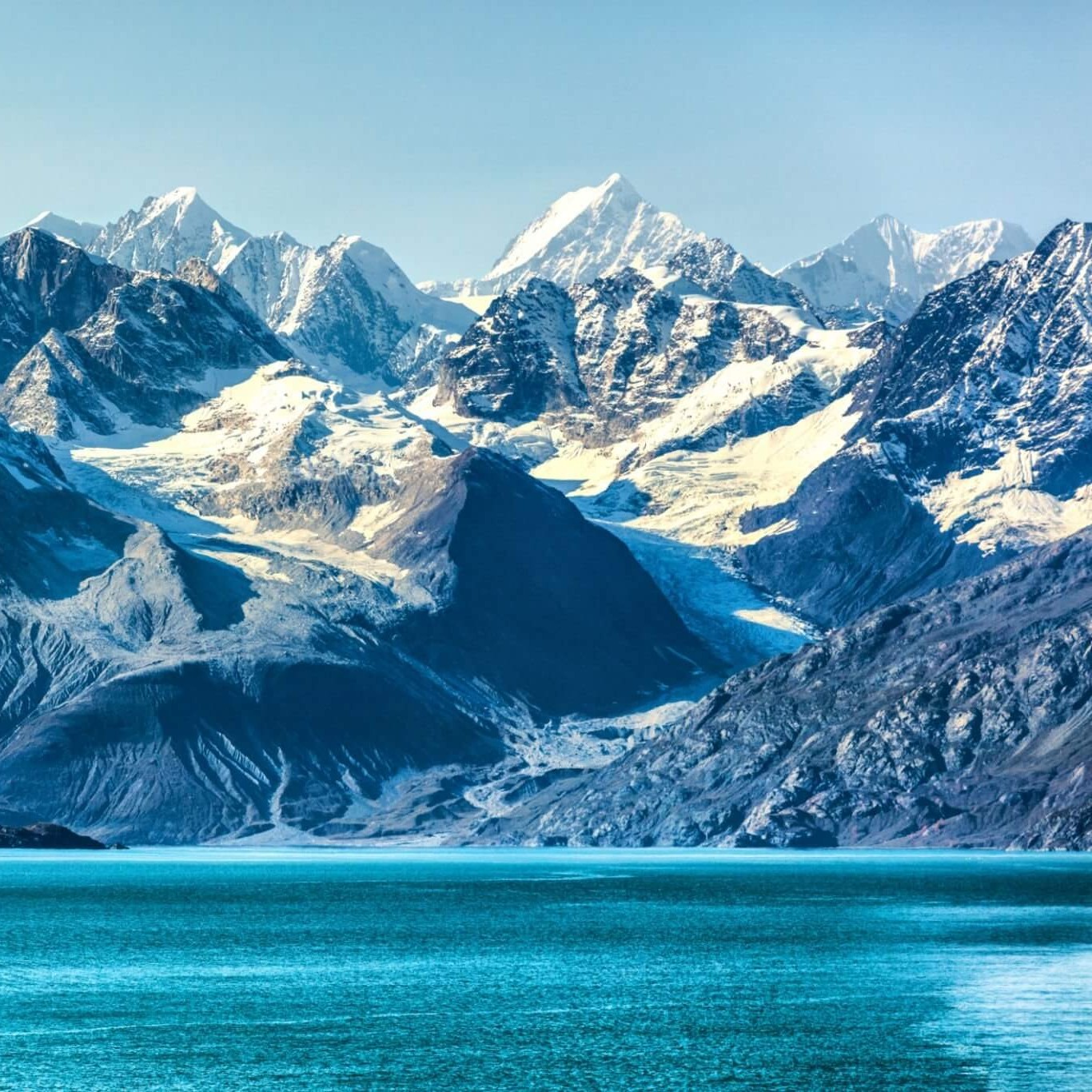
Glacier Health Monitoring via SAR Interferometry Alaska Geophysical Institute Environment 2026 Using satellite-based SAR interferometry to track glacier movements, this project aims to understand the impact of climate change on glacial landscapes in Alaska. The goal is to forecast future changes and the impact on freshwater resources and ecosystems.
Open Environmental Data Portal Alaska Environmental Research Environment 2024 Aiming to create an open-access platform for environmental data, this portal will include data on biodiversity, climate, ecosystems, and environmental changes in Alaska. It will facilitate research collaboration and policymaking.
Educational Fellowships on Alaska's Natural History Alaska Education and Outreach Education 2023 This program offers educational fellowships to teachers, allowing them to access Alaska's natural history through specialized curriculum kits and fieldwork opportunities, enhancing the learning experience for students across the state.
Q1 : Project planning & initial research
Q2 : Proposal development & community outreach
Q3 : Project execution & data collection
Q4 : Results analysis, public sharing & policy recommendations

Resources

For educators, researchers, and cultural partners

Application Toolkit

Templates, narrative outlines, timelines, and checklists to plan strong proposals focused on Alaska’s history, languages, and field learning.

Open Data & Maps

Datasets and documentation from internal demonstrations, including IIIF manifests, cultural mapping layers, and environmental observations. Licenses are clearly indicated (CC-BY or equivalent) when sharing is appropriate.

Oral History Field Guide

Practical notes for recording in Alaska: informed consent, respectful access flags, file formats, transcripts, and long-term storage.

Download PDF

Language Resources

Guidance for building small, community-approved corpora, orthography notes, and example workflows for bilingual description and subtitles.

Museum & Field Learning

Ready-to-use activities connecting collections to outdoor study: object cards, field notebooks, and safety brief templates for northern sites.

Policies & Permissions

Clear guidance on attribution, citation, cultural protocols, and requests for sensitive materials. Includes sample consent forms and request letters.

Materials are provided to support education, research, and community projects related to Alaska’s history and environments. When resources involve community knowledge or sensitive content, access may be moderated in consultation with rights holders.

Contact

Alyeska Foundation

Get in Touch

The Alyeska Foundation welcomes correspondence from educators, researchers, and community organizations. Messages are reviewed by staff in Juneau. Responses are provided as soon as possible depending on topic and scope.

Foundation Information

  • Location : Juneau, Alaska
  • Email : contact@alyeskafoundation.org
  • Office hours : Monday - Friday, 09:00-12:00 and 13:00-18:00 (Closed Saturday & Sunday)
  • Focus : Documentation, education, and long term preservation of Alaska’s cultural and environmental record.

Follow Us

Newsletter

Receive occasional updates about projects, publications, and educational tools.

Charter : Care for Knowledge

The foundation’s work rests on respect, for people, for record, and for place. Every collection, recording, or dataset is treated as part of a larger story that deserves accuracy, context, and care. We follow principles that guide how knowledge is gathered, described, and shared.